How the Japan-to-dealer supply chain works, and how a free dealer account unlocks trade pricing below public list prices across live stock.
Last updated: August 2026
Car dealers buy from Japan at trade pricing by opening a verified dealer account with an exporter, which unlocks pricing below public list prices across the exporter's full stock — rather than negotiating car by car as a one-time buyer would. If you run a dealership or resell vehicles, you can apply for a free dealer account on wicarexport.com and get access to trade pricing across roughly 171,500 live fixed-price vehicles.
How does the Japan-to-dealer supply chain actually work?
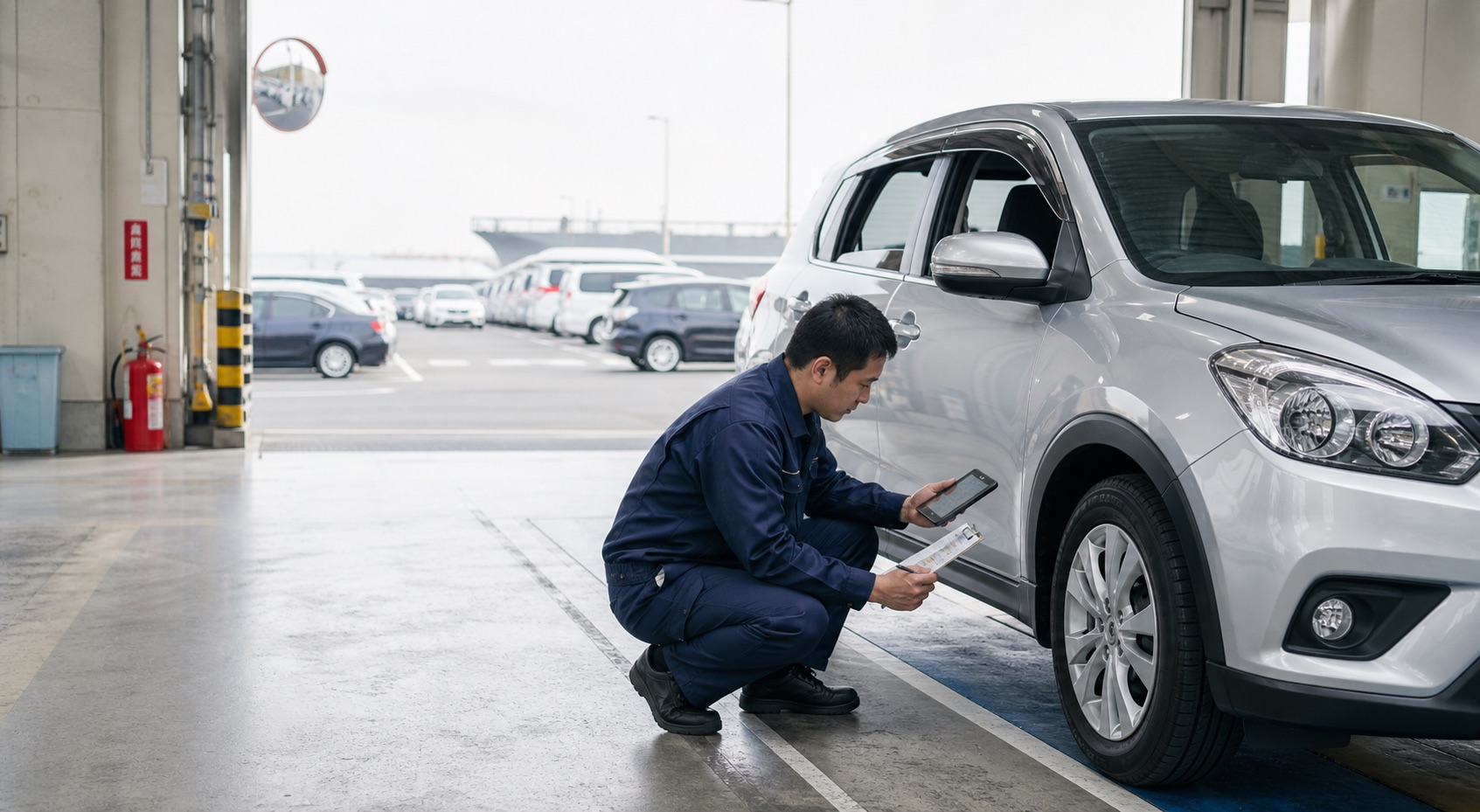
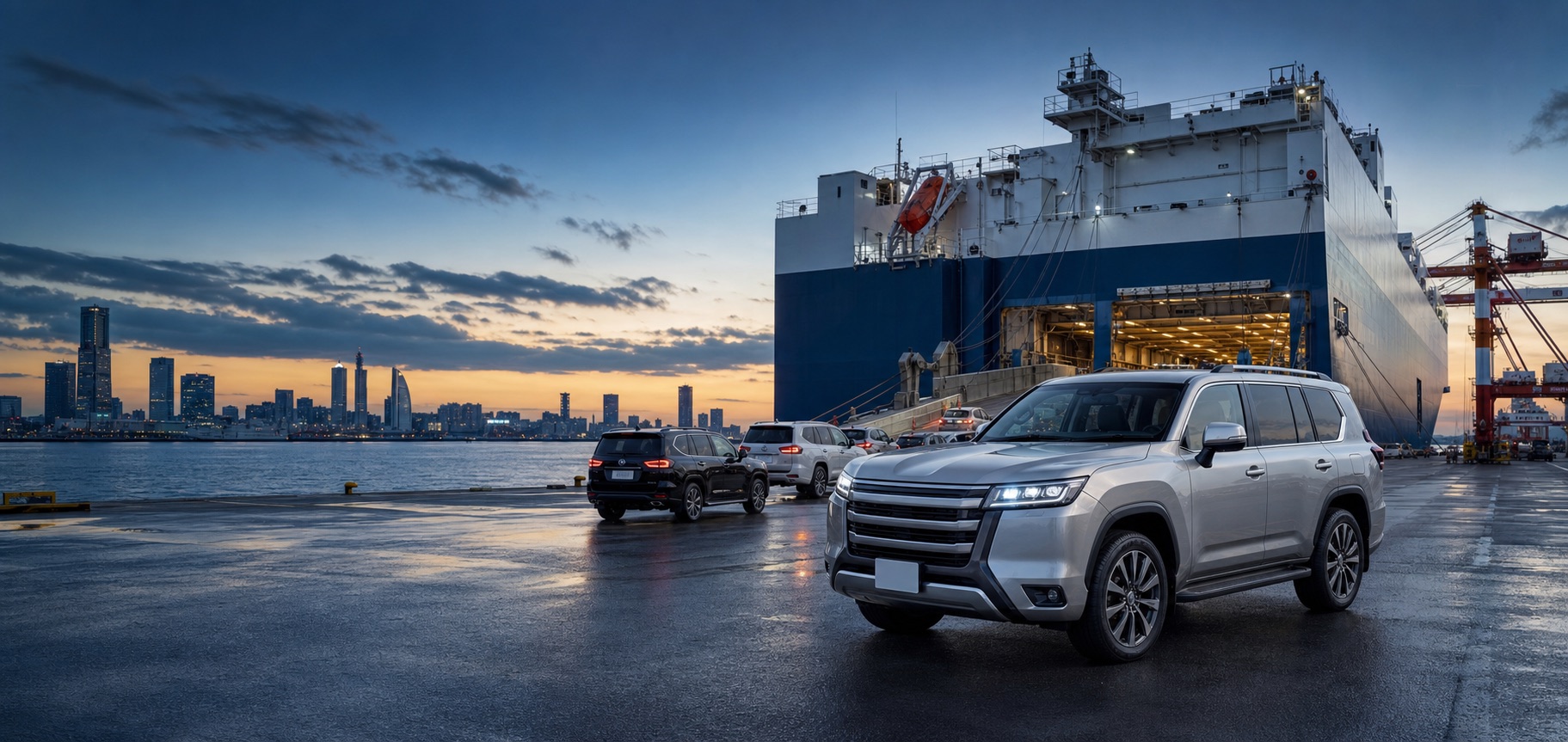
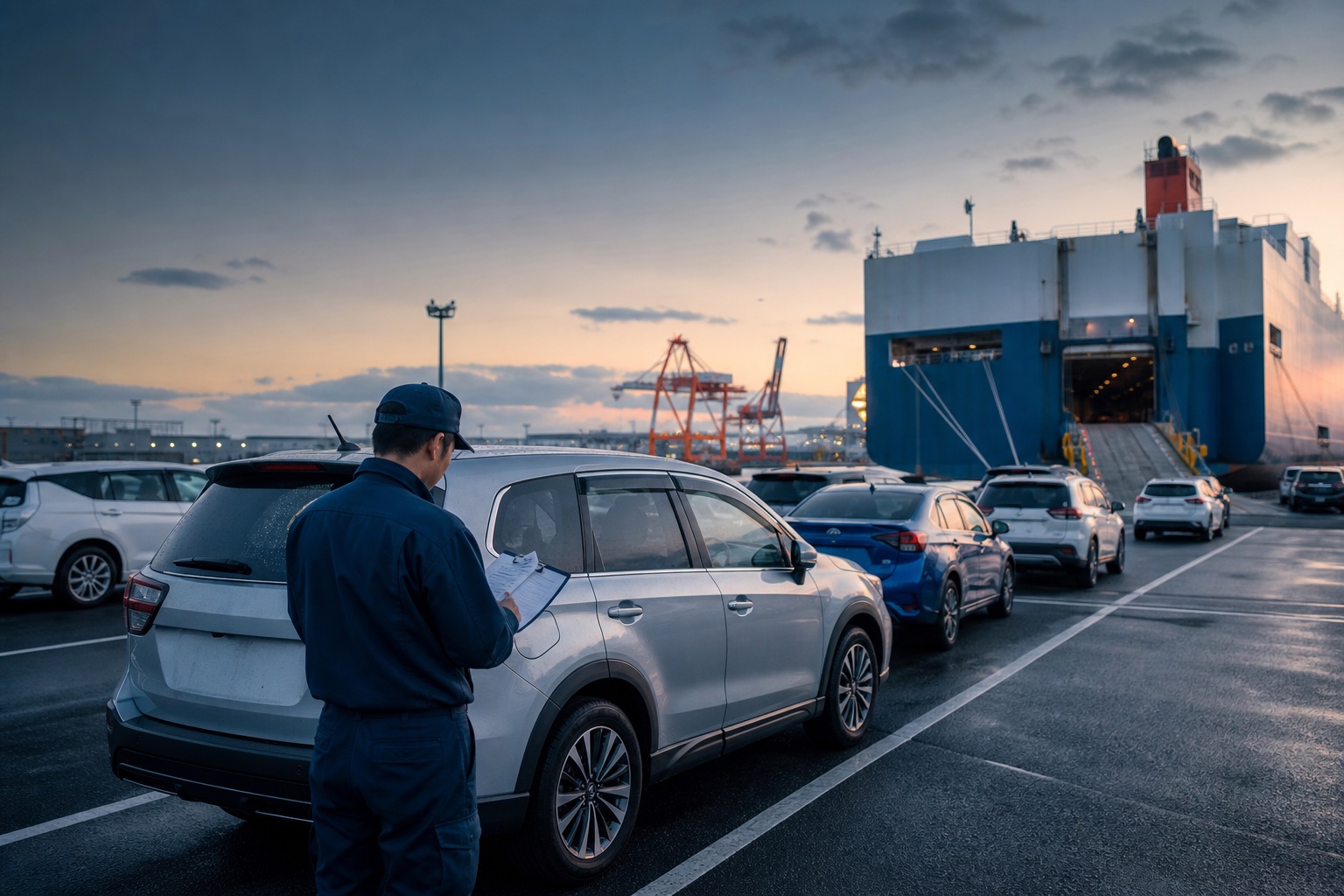
Used vehicles in Japan move through a well-established chain before reaching an overseas buyer. Vehicles are traded through Japan's dealer auction networks — large-scale weekly auctions where dealers across the country buy and sell stock among themselves — and through direct dealer-to-dealer networks outside the auction system. Exporters source vehicles from both channels, inspect and prepare them for export, and list them for sale to overseas buyers, either as fixed-price stock or via auction access. If your business specifically wants direct bidding access to Japan's dealer auctions rather than buying fixed-price stock, our export partner Washin Auto provides that route, including bid handling and auction-sheet verification. Buying fixed-price stock through wicarexport.com skips the bidding step entirely — you select a car already sourced, inspected and priced, and buy it directly.
Why do volume buyers get better pricing than one-off buyers?
Trade pricing exists because of how the economics of vehicle export work at scale. A dealer buying multiple vehicles a month represents predictable, recurring volume for an exporter, which reduces the cost of sourcing, marketing and administering each individual sale compared to a single retail transaction. That efficiency is passed on as trade pricing below public list prices — a standard practice across wholesale trade generally, not unique to vehicle export. It's the same reason a retailer buying a pallet of goods pays less per unit than a shopper buying one item.
What does a dealer account on wicarexport.com actually unlock?
A verified dealer account gives your business three things a public visitor doesn't get. First, trade pricing below the public list price, applied automatically across the entire live stock of roughly 171,500 vehicles (wicarexport.com platform data, August 2026) — not a discount on a handful of promotional listings. Second, the ability to submit direct sourcing requests, so if you need a specific make, model, year range or condition that isn't currently listed, you can ask us to source it from Japan's auction and dealer networks on your behalf. Third, the same tools every buyer gets — free auction-sheet scans and English translations, the C&F/CIF cost estimator to 489 ports, and free requests for additional photos — but applied at trade pricing across your whole order pipeline rather than one car at a time.
How do you apply for a dealer account?
Applying is free and takes a few minutes. You submit your company name and business details through the dealer registration page, and once your application is reviewed and approved, trade pricing applies automatically to every listing you view — no separate negotiation needed per car. This is the same account structure used by dealers reselling vehicles domestically, wholesalers supplying regional lots, and businesses building recurring import volume.
What should you check before choosing an exporter for recurring dealer supply?
A single retail buyer can tolerate a slow or imprecise exporter for one purchase. A dealer relying on recurring supply cannot — every inefficiency compounds across dozens or hundreds of vehicles a year. Four things are worth checking before committing your sourcing to any exporter. First, stock depth: an exporter with a large, constantly rotating pool of fixed-price vehicles gives you more matches for your specific resale criteria than one with a small, static catalogue. Second, condition-report quality: consistent, accurately translated auction sheets on every vehicle matter more at volume, since a misread grade on one car is an annoyance, but on twenty cars it's a real cost. Third, landed-cost transparency: an exporter that shows you FOB, freight and inspection costs clearly, rather than bundling everything into one opaque number, lets you price your own resale margin with confidence. Fourth, responsiveness on sourcing requests: since dealer buying often means asking for vehicles not yet listed, how quickly and accurately an exporter can search Japan's auction and dealer networks on your behalf directly affects how reliably you can promise delivery timelines to your own customers.
Do you need to be a licensed dealer to qualify?
Dealer accounts are intended for businesses that buy and resell or distribute vehicles as part of their operations — dealerships, wholesalers, fleet resellers and similar businesses. If you're uncertain whether your business qualifies, the application itself is the fastest way to find out: submit your company details and we'll confirm what applies to your situation during review, rather than guessing from general criteria.
How is dealer sourcing different from browsing public stock?
Public stock is what's already listed and photographed, ready to buy immediately at public pricing. Dealer sourcing requests let you specify criteria — model, year range, mileage cap, budget — that aren't necessarily live on the site yet, and have our team search Japan's auction and dealer networks to find matching vehicles at trade pricing. This matters most for dealers who need consistent supply of a particular category (compact SUVs, kei cars, specific commercial models) rather than whatever happens to be listed on a given day, since a rotating catalogue of roughly 171,500 vehicles will not always contain your exact match at the moment you need it.
Frequently asked questions
How much lower is dealer trade pricing than public pricing?
Trade pricing sits below the public list price across the full stock once your account is approved — the exact figure depends on the vehicle, but it applies automatically to every listing rather than requiring per-car negotiation.
Is there a cost to apply for a dealer account?
No, applying for a dealer account is free. You submit your company name and business details, and approval unlocks trade pricing at no additional charge.
Can I request a specific car that isn't currently listed?
Yes, dealer accounts include direct sourcing requests — specify the model, year and condition you need and our team searches Japan's auction and dealer networks on your behalf.
Do dealer accounts get the same auction-sheet translations as public buyers?
Yes, every account — public or dealer — gets free AI auction-sheet scans and English translations on any car, along with the cost estimator to 489 destination ports.
Can I bid at Japanese car auctions directly through wicarexport.com?
Fixed-price stock on wicarexport.com skips bidding entirely. For direct auction bidding access, our export partner Washin Auto handles that route.
Start buying at trade prices
Dealer pricing exists because volume buyers cost less to serve per vehicle than one-off retail buyers — and a wicarexport.com dealer account applies that trade pricing automatically across the full live stock, plus direct sourcing requests for vehicles not yet listed. Before applying, it's worth understanding how the buying process works end to end, and if your sourcing criteria include reading condition reports at scale, our auction sheet guide is useful background. Ready to unlock trade pricing? Apply for a free dealer account now.