Buy from fixed-price Japanese stock in 10 steps: no bidding, 10% deposit, bank transfer, RoRo shipping. See exactly what to expect before you order.
Last updated: August 2026
Buying a car directly from Japan means selecting a specific vehicle from live fixed-price stock (rather than bidding blind at auction), paying a deposit to reserve it, settling the balance by bank transfer, and having it shipped to your port by RoRo or container. You can start by browsing wicarexport.com's fixed-price Japanese stock today — every car listed there is available now, at a set price, with no bidding required.
Most first-time buyers assume importing from Japan means winning an auction. It doesn't have to. Auction bidding means competing against other buyers in real time, risking a loss after paying a bid fee, and buying a car you've only seen through an auction sheet grade. Fixed-price stock removes that uncertainty: you look at real photos, read the translated condition report, agree a price, and the car is yours once the deposit lands. Below is the process from first search to collecting your car at the destination port.
How do you buy a car directly from Japan step by step?
- Search live fixed-price stock. Filter by make, model, year, mileage and budget across a pool of roughly 171,500 vehicles (wicarexport.com platform data, August 2026) already sitting at Japanese dealer yards and export warehouses. Because the price is fixed, what you see is what you pay for the car itself — no bidding war, no losing a stock you liked.
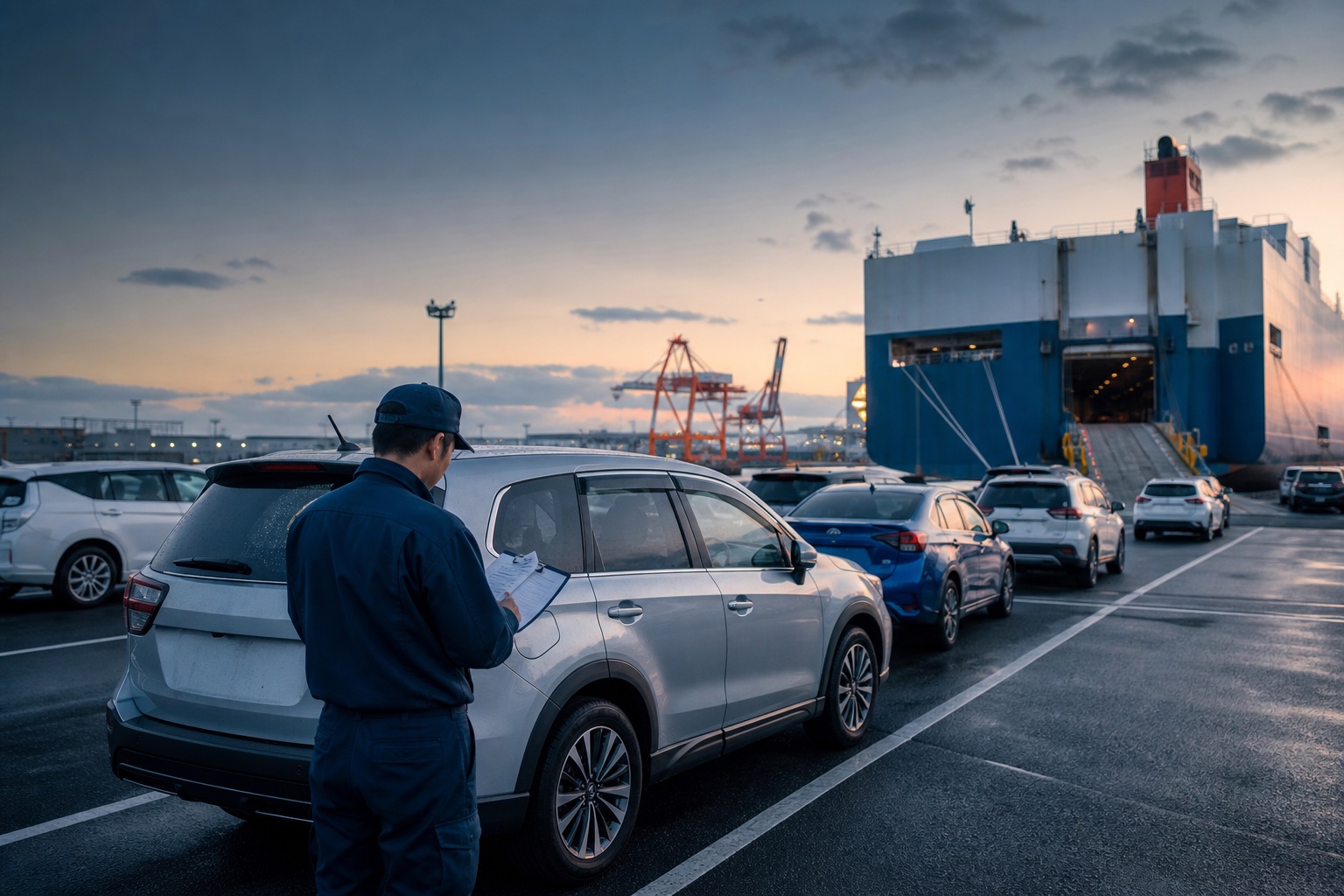
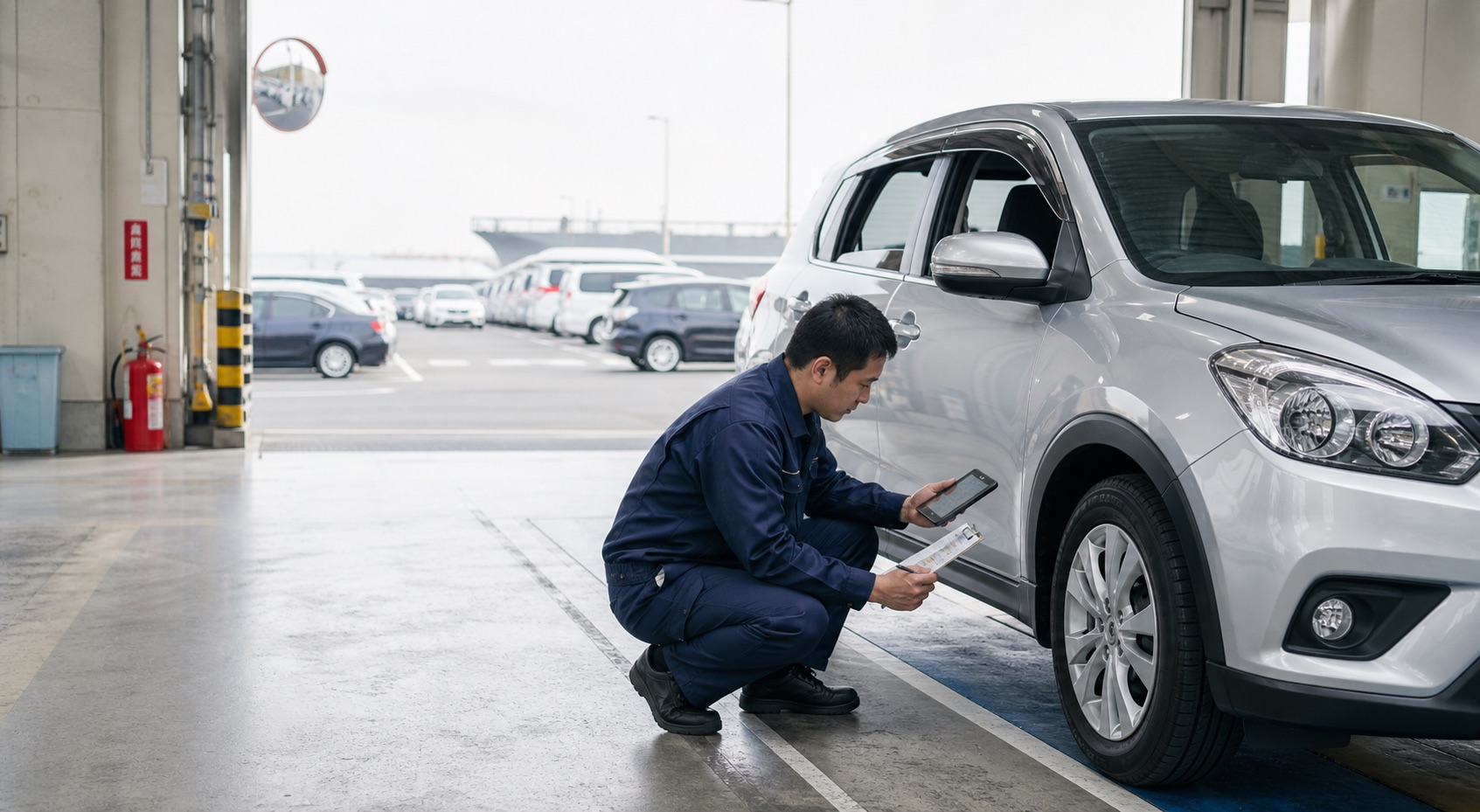
- Review the photos and the auction sheet. Every listing carries multiple exterior/interior photos plus the original Japanese auction sheet, which grades the car's exterior, interior and any repair history. Request a free AI auction-sheet scan and English translation on any car before committing — this converts the shorthand grades and diagrams into plain language.
- Request more photos or details if needed. If a listing doesn't show the angle you want (undercarriage, engine bay, odometer close-up), ask for it. This is free and normal practice before you commit money.
- Get a confirmed quotation and invoice. Once you've chosen a car, the exporter issues a formal quotation covering the car's FOB price and, on request, an estimate for freight, inspection (if your country requires it) and insurance to your port.
- Pay a 10% deposit to reserve the car. Because stock is fixed-price and moves daily, the deposit is what actually takes the car off the market for other buyers. Until the deposit is paid, another buyer can purchase the same listing.
- Settle the balance by bank transfer (T/T). Japanese export trade runs on bank transfer, not card or PayPal — this is standard practice across the industry, not a wicarexport-specific restriction, and it keeps transaction costs low for both sides.
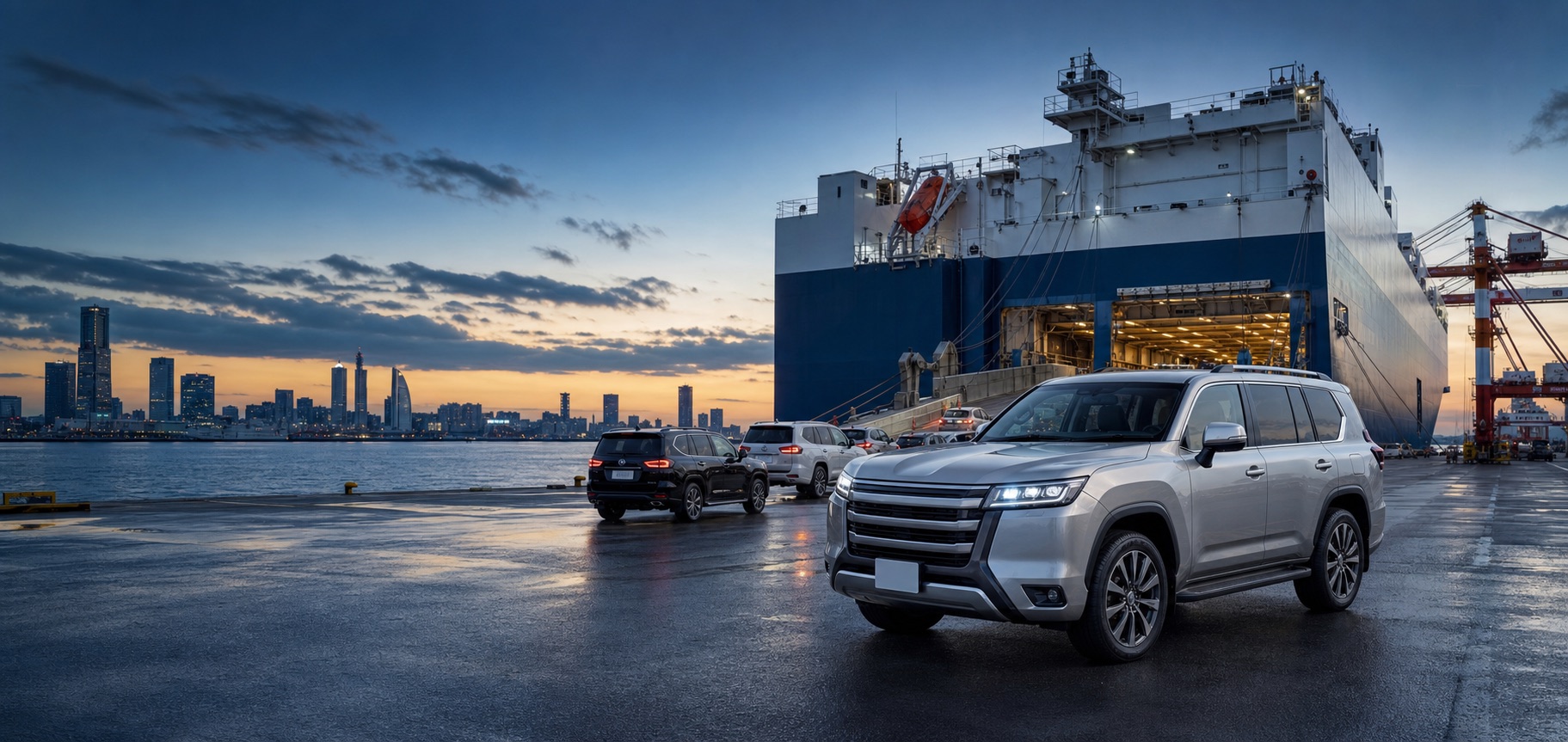
- The exporter books shipping, usually RoRo. Most single-vehicle shipments travel by roll-on/roll-off (RoRo) vessel, where the car is driven directly into the ship's cargo deck rather than loaded into a container. It's the standard, cost-effective method for one car at a time to most world ports.
- You receive your shipping documents. Before or as the vessel departs, you're sent the Bill of Lading (your proof of ownership and the document your shipping agent needs to release the car), the export certificate (de-registration proof from Japan), and an English translation of the original Japanese registration/auction paperwork.
- Track the vessel and prepare your paperwork. Use the Bill of Lading number to track transit time, which varies widely by route — from under two weeks for nearby Asian ports to five or six weeks for longer hauls like the Caribbean or the South Pacific.
- Clear customs and collect the car at your port. Your customs broker or clearing agent uses the Bill of Lading, export certificate and invoice to clear the vehicle, pay any local duty and taxes, and release it to you or your transporter.
Why buy from fixed-price stock instead of a Japanese auction?
Auction bidding requires either a licensed local agent to bid on your behalf or use of an intermediary, and you can lose the car to a higher bidder after already committing a bid deposit. Fixed-price stock skips that risk entirely: the price you see is the price you pay, the car is guaranteed available until someone else's deposit lands first, and you make your decision on your own timeline rather than during a live auction window. If you specifically want to bid at Japan's dealer auctions rather than buy fixed-price stock, our export partner Washin Auto handles auction access, bidding and pre-bid auction-sheet checks.
What documents do you actually receive when buying from Japan?
Three documents matter most. The Bill of Lading is the shipping company's receipt and title document — your clearing agent cannot release the car without it. The export certificate (de-registration certificate) proves the vehicle has been legally removed from Japan's vehicle registry, which most destination customs authorities require. The English translation of the original Japanese paperwork — registration history, auction sheet, and any inspection certificate — helps your local registration authority process the car without needing a Japanese-language reviewer.
How long does it take from deposit to delivery?
Once your deposit is paid, the exporter typically books the next available vessel within one to two weeks. Ocean transit time then depends entirely on the route: nearby ports in Asia and the Middle East can see cars arrive within two to three weeks of loading, while longer routes — East Africa, Northern Europe, the Pacific Islands or the Caribbean — commonly run four to seven weeks. Add your local customs clearance time on top, which varies by port workload and whether pre-shipment inspection was required.
Do you need to inspect the car in person before buying?
No — this is the entire point of buying from a professional Japanese exporter rather than trying to inspect a car in Japan yourself. The auction sheet is a standardized, third-party condition report used across Japan's auction system, and a proper English translation tells you exactly what it covers: panel condition, interior wear, any accident history, and an overall grade. Combined with detailed photos and the option to request more, most buyers make an informed decision without ever setting foot in Japan.
Frequently asked questions
Can I buy a specific car I've seen online, or only what an agent finds for me?
You buy the exact listing you see. Fixed-price stock means the car, price and condition report are locked to that listing — there's no substitution unless it sells to someone else first.
What happens if the car sells to someone else before I pay my deposit?
The listing is removed and you'd need to choose another. This is why the 10% deposit — not just an inquiry — is what actually reserves a specific car.
Is a 10% deposit refundable?
Deposit terms are set out in your quotation and invoice before you pay, so confirm the specific terms with your exporter for that listing before transferring funds.
Do I need an import license to buy a car from Japan?
Requirements vary entirely by destination country. Some markets require no license for personal imports; others require registration as an importer or a pre-shipment inspection certificate. Check your destination's customs authority before ordering.
Can I pay by credit card or PayPal?
No — international car export runs on bank transfer (T/T). This is standard trade practice, not a platform-specific limitation, and it's how the balance payment step works in every reputable export transaction.
Ready to choose your car?
Buying direct from Japan comes down to ten repeatable steps: search fixed-price stock, review the photos and auction sheet, get a quotation, pay a 10% deposit, transfer the balance, ship by RoRo, receive your documents, and clear customs at your port. Before you start, it helps to understand what you'll actually pay — see our full cost breakdown for importing from Japan in 2026, and if you're new to reading condition reports, our guide to auction sheets, grades and symbols is worth reading before you commit to a listing. When you're ready, browse live fixed-price stock now.