Compare RoRo and container shipping on cost, protection and availability, and see why RoRo is the default choice for a single standard vehicle.
Last updated: August 2026
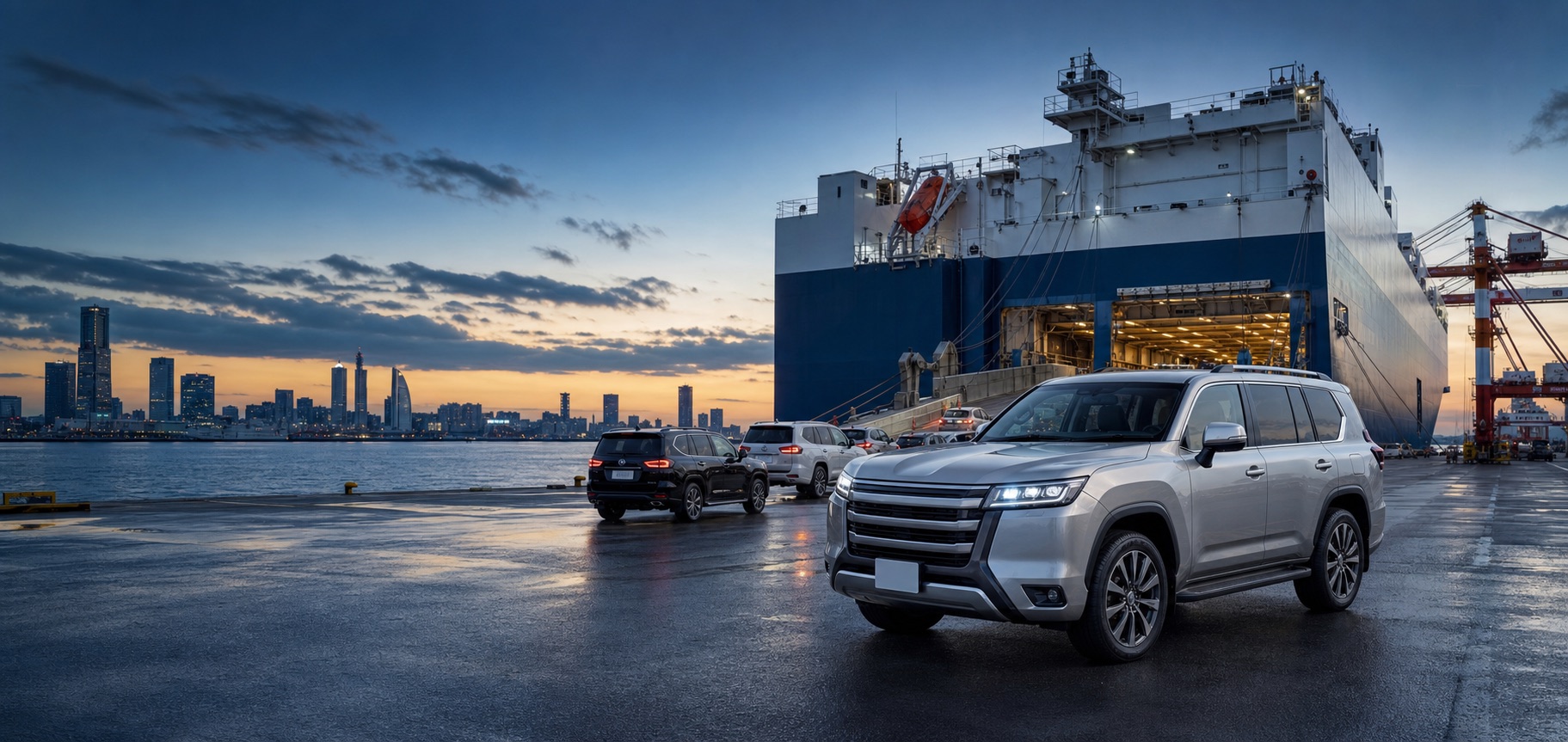
For a single vehicle, RoRo (roll-on/roll-off) shipping is almost always the better choice — it's cheaper per car, widely available, and the car is simply driven onto the vessel. Container shipping earns its higher cost only for classic or high-value cars needing extra protection, personal-item transport, or routes without RoRo service. Every car on wicarexport.com's fixed-price stock ships RoRo by default for exactly this reason.
What is RoRo shipping and how does it work for cars?
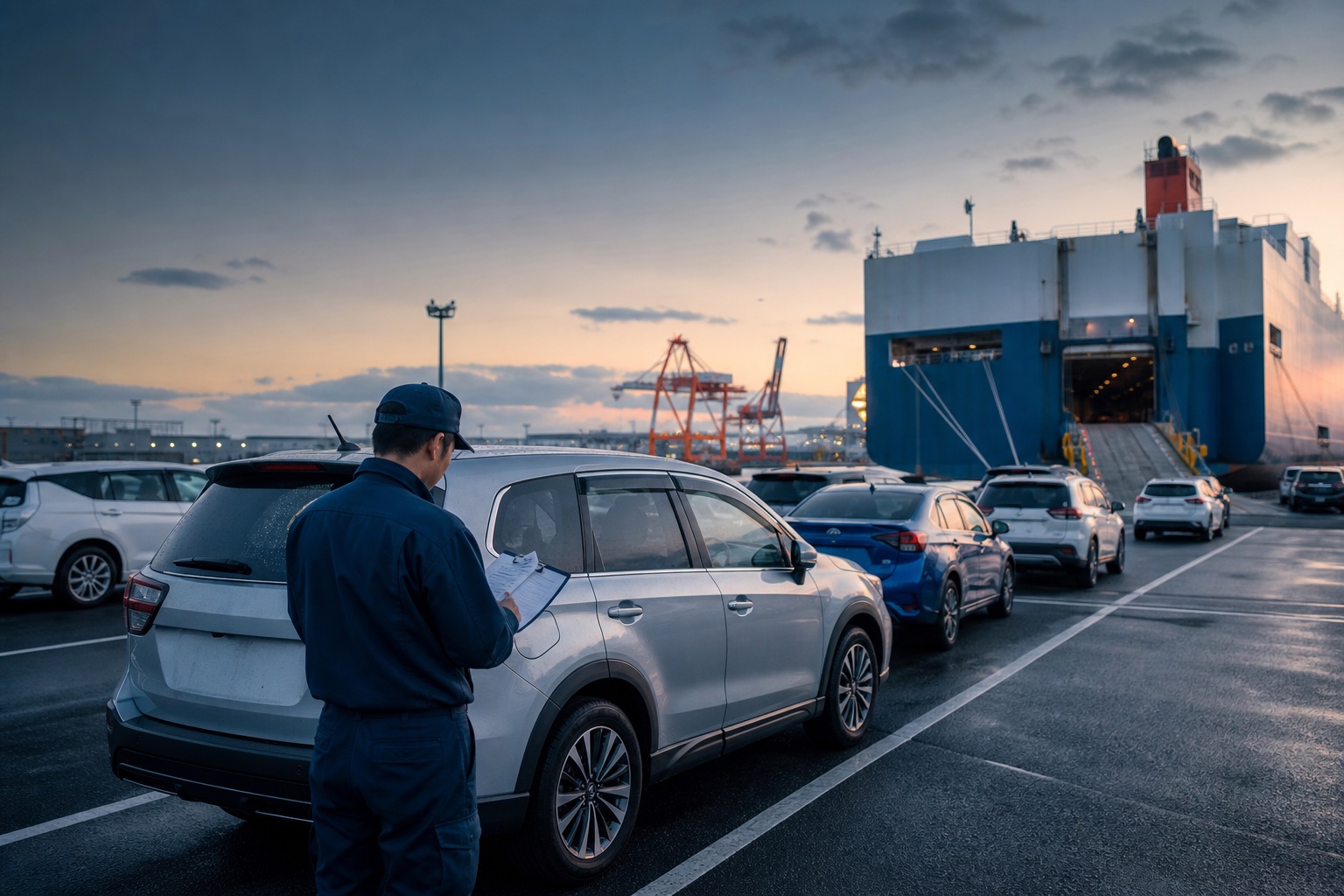
RoRo stands for roll-on/roll-off: the vehicle is driven directly onto a specialized vessel's cargo deck under its own power (or towed if not running) and secured in place for the voyage, then driven off at the destination port. RoRo vessels are purpose-built for wheeled cargo — cars, trucks, buses and trailers — and the International Maritime Organization recognizes RoRo as a distinct vessel category under international shipping safety rules; see the IMO's overview of ro-ro vessel safety for the technical background. Because there's no container to load or unload, RoRo handling is fast and the per-vehicle cost is lower than container shipping in almost every case.
What is container shipping and how does it work for cars?
Container shipping means the car is loaded — driven or winched — into a standard shipping container, which is then craned onto a container vessel alongside general cargo. A single 40-foot container can typically hold one to two cars depending on size, or more if partially dismantled or stacked with purpose-built racking. Container shipping costs more per car than RoRo because you're effectively paying for exclusive, enclosed space and the extra handling of loading and securing the vehicle inside.
RoRo vs container shipping: side-by-side comparison
| Factor | RoRo | Container |
|---|---|---|
| Cost per car | Lower — priced per vehicle | Higher — priced per container, better value only when shared |
| Protection level | Exposed to weather and handling on an open deck | Fully enclosed, protected from weather and knocks |
| Personal items allowed inside the car | Generally not permitted — security and customs restrictions | Often permitted in the trunk/boot, subject to destination customs rules |
| Speed to book and ship | Fast — frequent sailings on major routes | Slower — depends on container availability and consolidation with other cargo |
| Port availability | Not available at every port worldwide | Available almost anywhere with a container terminal |
| Best for | Single standard vehicles | Classic/high-value cars, multiple vehicles, or routes without RoRo service |
When does container shipping make more sense than RoRo?
Container shipping is worth the extra cost in three situations. First, classic, vintage or high-value vehicles benefit from full enclosure, since RoRo decks expose cars to salt air, weather and the risk of minor handling damage from being driven on and off. Second, if your destination port has no RoRo service at all — some smaller or less-trafficked ports only handle containerized cargo — container shipping is your only option regardless of cost. Third, if you're shipping multiple vehicles together, a shared container can sometimes bring the effective per-car cost close to or below individual RoRo bookings, especially on routes where container freight is competitively priced.
Are there vehicles that shouldn't be shipped RoRo?
Most standard passenger cars, SUVs and light trucks are well suited to RoRo, but a few categories warrant extra thought. Vehicles with very low ground clearance (heavily lowered or modified sports cars) can risk scraping ramps during loading and unloading, since RoRo ramps are built for standard ride heights. Non-running vehicles need to be towed or winched on board, which some carriers restrict or surcharge. And genuinely rare or collector vehicles — where any cosmetic risk from open-deck exposure matters more than the cost difference — are usually better matched to a container, even though it costs more. For an ordinary daily-driver import, none of these concerns typically apply, which is why RoRo remains the default recommendation.
Can I ship personal items inside the car?
This depends entirely on the shipping method and your destination customs rules. RoRo shipments are generally inspected and secured with little to no allowance for loose items inside the vehicle, partly for security reasons and partly because customs authorities want a clear, empty cargo declaration. Container shipments more often allow limited personal effects packed inside the vehicle, though many destination customs authorities still restrict or tax this, so confirm with your destination country's customs authority before packing anything beyond the vehicle itself.
Is RoRo shipping less safe than container shipping?
Both methods are used daily for commercial and personal vehicle shipments worldwide, and RoRo's safety record for standard cars is well established — it's the default method most exporters use precisely because it reliably gets ordinary vehicles from port to port without issue, on the same routes and vessel types used for new-car distribution by major manufacturers. The difference isn't really about safety; it's about protection level. A RoRo car sits exposed on an open deck for the voyage, while a container car is sealed away from weather and incidental contact. For everyday vehicles this exposure rarely causes a problem; for a rare or high-value car, the extra protection of a container can be worth the premium.
Why does wicarexport.com default to RoRo for single vehicles?
For one standard car, RoRo is simply the more efficient choice on cost, speed and availability — it's why our freight estimates across 489 destination ports are built around RoRo rates. See our full cost breakdown guide for how RoRo freight factors into your total landed cost. If your situation calls for container shipping instead — a rare model, a route without RoRo service, or a multi-vehicle order — mention it when you request your quotation and we'll price it accordingly.
Frequently asked questions
Is RoRo cheaper than container shipping for a single car?
Yes, in almost all cases. RoRo is priced per vehicle with no container overhead, making it the lower-cost option for one standard car on routes where RoRo service is available.
Can any car be shipped RoRo?
Most standard passenger vehicles can, provided they're in a condition to be driven or towed onto the vessel. Non-running vehicles and certain oversized or modified vehicles may require special handling or container shipping instead.
Does RoRo shipping take longer than container shipping?
Generally no — RoRo often has more frequent sailings on major car-export routes, while container shipping can involve waiting for container consolidation, though this varies by route and carrier.
Will my car be exposed to weather during RoRo transit?
Yes, RoRo cargo decks are typically open or semi-enclosed, so the vehicle is exposed to sea air and weather conditions for the voyage duration, unlike a sealed container.
What if my destination port doesn't offer RoRo service?
Container shipping becomes the practical option, since containers can be delivered to virtually any port with container-handling infrastructure, regardless of RoRo availability.
Choose the right shipping method for your car
For one standard vehicle, RoRo wins on cost, speed and availability; container shipping earns its place for classic cars, ports without RoRo service, or multi-vehicle orders. Once you've settled on a shipping method, revisit our guide to FOB, C&F and CIF pricing to see exactly how freight fits into your total cost. Ready to see RoRo-priced stock? Browse fixed-price vehicles from Japan now.